
Climbing Mount Kilimanjaro

Climbing Mount Kilimanjaro with Pure African Expeditions

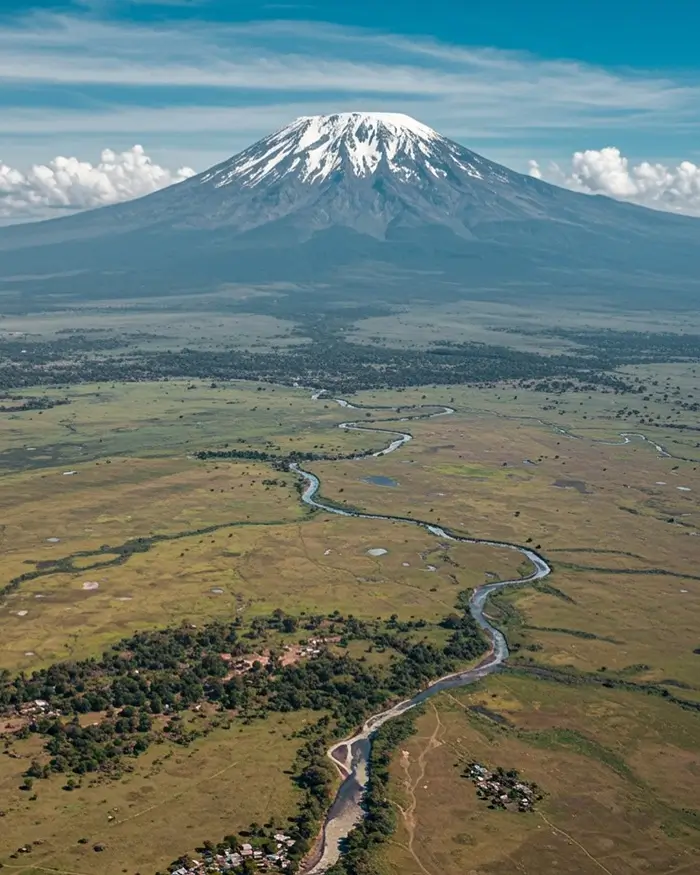
Mount Kilimanjaro rises dramatically to 5,895 meters (19,341 feet) above sea level, making it the highest free-standing mountain in the world and, famously, the “Roof of Africa.” Standing tall in northern Tanzania, this legendary peak is a dream destination for adventure seekers from around the globe.

A Kilimanjaro trekking journey is one of Africa’s most iconic travel experiences. What makes it even more appealing is that climbing Kilimanjaro does not require technical mountaineering skills. With the right preparation, determination, and a good level of general fitness, trekkers can successfully take on this life-changing challenge and reach the summit of Uhuru Peak.

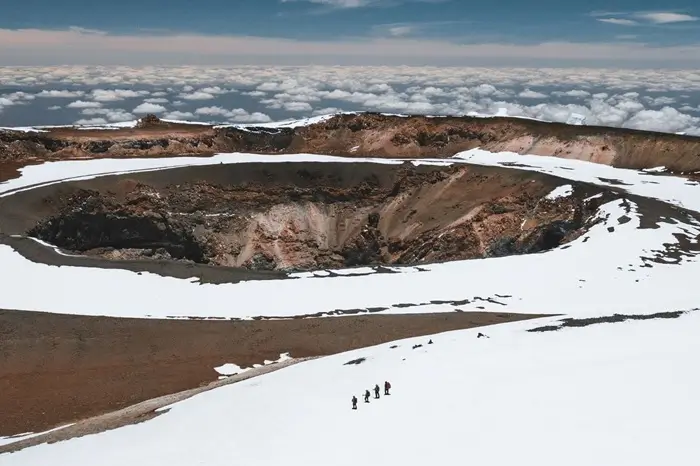
From lush rainforest trails at the base to alpine deserts and breathtaking glacier views near the top, Kilimanjaro trekking in Tanzania offers ever-changing landscapes and unforgettable scenery. Every day of the trek brings a new environment, new views, and the powerful feeling of being closer to Africa’s highest point.

To make your adventure smooth and memorable, we offer carefully designed Kilimanjaro trekking packages tailored for travellers seeking a safe, well-guided, once-in-a-lifetime experience. Whether you’re climbing for personal achievement, adventure, or the thrill of standing on the highest peak in Africa, Kilimanjaro is a journey you’ll remember forever.

Book Your Kilimanjaro Trekking

I Prefer

Climbing Mount Kilimanjaro - Explore The Routes

How Hard Is It to Climb Mount Kilimanjaro?

Kilimanjaro trekking is one of the few high-altitude adventures in the world that beginners can attempt, even without prior trekking or mountaineering experience. The most important factor for a successful climb is not advanced hiking skills, but proper altitude acclimatization, which is best achieved by selecting a 7 to 8-day Kilimanjaro trekking route.

Taking a longer itinerary allows your body more time to adjust to the increasing elevation, greatly improving your chances of reaching the summit safely. To maximize your success rate, it is essential to choose a trusted and experienced trekking operator and strictly follow your guides’ safety instructions throughout the climb.

What You Need to Know Before You Climb Kilimanjaro

What You Need to Know Before You Climb Kilimanjaro

The best time for a Kilimanjaro trekking adventure is typically from late December to early March and again from mid-June to late October. During these periods, the Kilimanjaro weather is generally stable, with clearer skies, better trail conditions, and excellent visibility—making them ideal seasons for a successful summit attempt.

That said, climbing during other months is still possible. While the rainy seasons bring more moisture, it does not mean you will face nonstop heavy rainfall throughout the day. In most cases, rain tends to arrive during the later afternoon or evening, giving trekkers a good window of clear weather for hiking earlier in the day. Many days during the wet season can also remain completely dry, allowing climbers to continue their Kilimanjaro climb comfortably with proper preparation and gear.

How Should I Train to Climb Kilimanjaro?

A moderate fitness level is essential for a safe and enjoyable Kilimanjaro trekking experience. Ideally, you should be able to run around 5 km (3 miles) comfortably and complete a 10 km (6+ miles) hike in a single day without major strain. While Kilimanjaro does not require technical climbing skills, strong endurance and stamina play a major role in helping you handle long trekking days and high-altitude conditions.

The best training activities for a successful Kilimanjaro climb include hiking, running, cycling, and swimming, as these build cardiovascular strength and improve overall stamina. Regular practice hikes, especially on uneven terrain, can also help prepare your body for the trail conditions you’ll face on Mount Kilimanjaro.
Altitude Sickness and the Dangers of Climbing Kilimanjaro

Altitude Sickness and the Dangers of Climbing Kilimanjaro

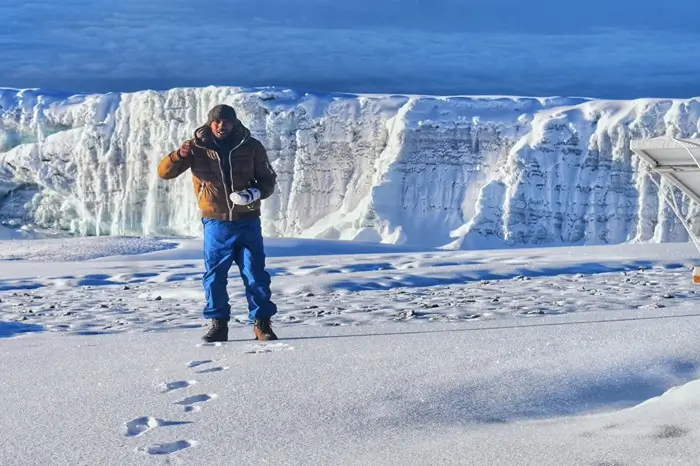
The greatest challenge during Kilimanjaro trekking is Acute Mountain Sickness (AMS), which is mainly caused by poor acclimatization at high altitude. In serious cases, AMS can develop into dangerous conditions such as High-Altitude Cerebral Edema (HACE) or High-Altitude Pulmonary Edema (HAPE)—both of which are life-threatening.

The good news is that altitude sickness is highly preventable with the right planning and approach. To improve safety and increase your summit success rate, it is strongly recommended to choose a 7-day or longer Kilimanjaro trekking itinerary, drink plenty of water, and maintain a slow, steady pace throughout the climb to help your body adapt naturally to the changing elevation.

What to Pack to Climb Mount Kilimanjaro?

A Kilimanjaro trekking adventure is truly unique because it takes you through five distinct climatic zones, ranging from lush tropical rainforest at the base to harsh Arctic-like conditions near the summit. Along the route, trekkers experience dramatic temperature changes, with nighttime temperatures at the summit dropping to around -15°C (5°F), while daytime temperatures at lower elevations can reach +20°C (68°F).

One of the biggest challenges during a Kilimanjaro climb is the mountain’s unpredictable weather. Bright sunshine can suddenly shift into rain, strong winds, or cold fog—and change back again within hours. That’s why proper preparation is essential.

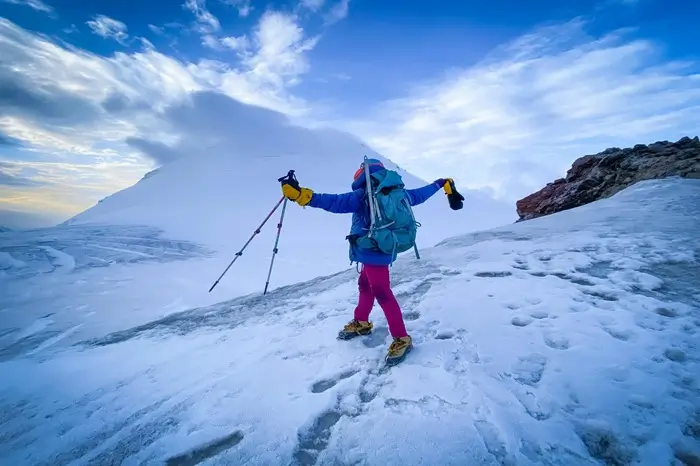
To stay safe and comfortable throughout your Kilimanjaro trekking tour, you’ll need the right gear, including layered clothing, durable hiking boots, a high-quality sleeping bag, trekking poles, and other key essentials designed for high-altitude trekking conditions.

What You Need to Know Before You Climb Kilimanjaro
Altitude Sickness and the Dangers of Climbing Kilimanjaro
FAQs - Climbing Mount Kilimanjaro
How Do I Get to Mount Kilimanjaro?

Getting to Mount Kilimanjaro is easy, as it is well connected by air and road. Most trekkers arrive via Kilimanjaro International Airport (JRO), located near Arusha and Moshi. From the airport, you can take a private transfer to your hotel in Moshi or Arusha, which are the main starting points for Kilimanjaro trekking tours. After a briefing and gear check, your trekking team will drive you to the chosen route gate to begin the climb.

Best Time to Climb Kilimanjaro: Rainy vs. Dry Seasons

The best time for Kilimanjaro trekking is during the dry seasons, when the trails are less slippery and the views are clearer. The most popular climbing periods are mid-June to late October and late December to early March.

During the rainy seasons (mainly March to May and November), the mountain becomes wetter and muddier, especially in the rainforest zone. However, rain often falls later in the day, and some climbers still prefer this period because the routes are quieter and less crowded. With the right gear, climbing Kilimanjaro during the rainy season is still possible.

How Long Does It Take to Summit Kilimanjaro?

Most Kilimanjaro trekking routes take between 5 to 9 days, depending on the itinerary and route chosen. For the best acclimatization and a higher summit success rate, a 7 to 8-day Kilimanjaro climb is strongly recommended. Longer routes give your body more time to adjust to altitude, reducing the risk of altitude sickness and increasing your chances of reaching Uhuru Peak, the highest point in Africa.

Book Your Trip

We are always here to help.

I Prefer
Thank you for reaching us out. We will get back to you shortly....