Tanzania Safari Tours

Safaris with Pure African Expeditions

Tanzania is truly Africa’s premier safari destination, offering an unparalleled wildlife experience that beckons adventurers from around the world. A Tanzania Safari lets you witness iconic landscapes and legendary wildlife up close, from the sweeping plains of the Serengeti National Park to the dramatic caldera of the Ngorongoro Crater — both highlights among the unforgettable safari journeys you can book with Pure African Expeditions.

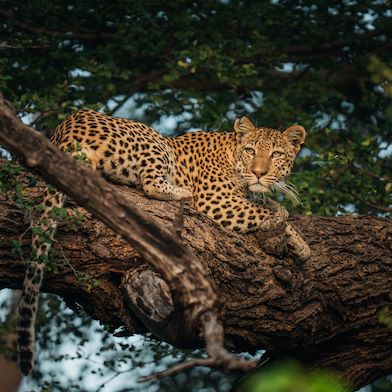
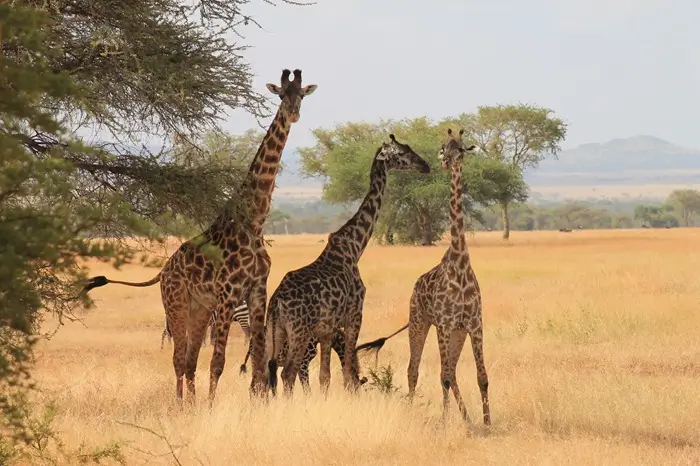
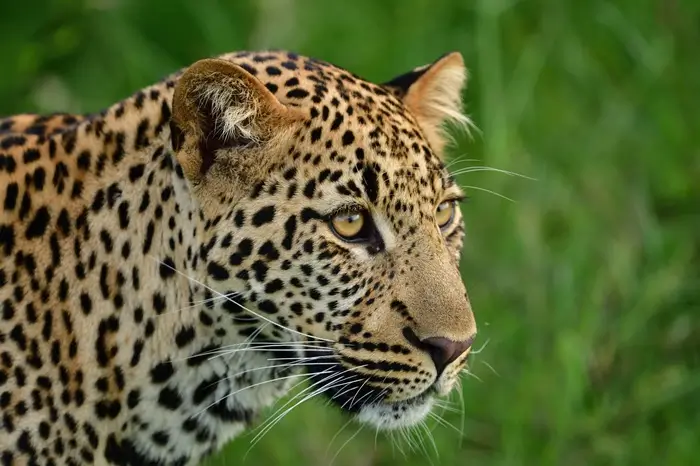
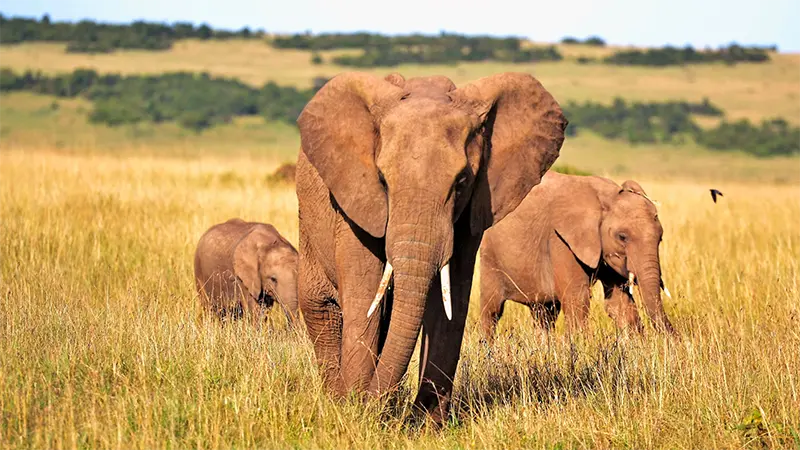
Embarking on a safari in Tanzania means encountering the Big Five and countless other species in their natural habitats. Expect to see graceful giraffes grazing beneath Acacia trees, hippos cooling off in river bends, and elusive predators like leopards and African wild dogs stalking across the plains. Your wildlife adventure becomes even richer as herds traverse diverse ecosystems that few places on earth can rival.

On a guided Tanzania Safari Tour, you’re not just watching animals through a window — you’re immersed in their world. Game drives through Tarangire National Park, Serengeti, and Ngorongoro Conservation Area place you in the heart of the action, where every sunrise reveals new wonders. After a day exploring the savannah, unwind in comfortable safari lodges or camps with the soothing sounds of the bush as your backdrop.

The beauty of Tanzania’s landscapes is as varied as its wildlife. From the endless grasslands and kopjes of the Serengeti to the rich forests lining the crater rim, each region tells a different story of nature and life. Beyond wildlife, your safari can be paired with other remarkable experiences such as a Zanzibar Beach Holiday for pristine white sands and turquoise seas, or even a majestic climb up Mount Kilimanjaro, Africa’s highest peak.

Start planning your dream Tanzania safari adventure with Pure African Expeditions — whether you’re chasing the Great Migration across the Serengeti, exploring the incredible ecosystem of the Ngorongoro Crater, or combining your wildlife journey with breathtaking beach and mountain experiences.
Explore Amazing Tanzania Safari Trips

Smart Tour Packages Grid
Kilimanjaro Hike
2-Days Safari

Express Escapade: Highlights of Ngorongoro & Tarangire

Serengeti Safari
3 Days Safari

Tarangire, Lake Manyara & Ngorongoro

Balloon Safari
4 Days safari

The Big Five Circuit: Tarangire, Serengeti & Crater

Balloon Safari
5 Days safari

Great Migration Trail: Complete Northern Parks Safari

Balloon Safari
6 Days safari

Wilderness Immersion: Extended Serengeti & Lake Manyara

Balloon Safari
7 Days safari

Ultimate Deluxe Safari: Endless Plains & Wildlife Marvels

Balloon Safari
3 Days Southern Safari

Untamed Selous: River Boat Safaris & Nyerere Nature Walks

Balloon Safari
5 Days Southern Safari

Remote Wilderness Explorer: Ruaha & Mikumi Expeditions

Balloon Safari
5 Days Southern Safari

Remote Wilderness Explorer: Ruaha & Mikumi Expeditions

Mixed - Safaris & Tours with Pure African Expeditions

Smart Tour Packages Grid
7-Day Kenya & Tanzania Combined Safari
7-Day Safari

7-Day Kenya & Tanzania Combined Safari

9-Day Kenya & Tanzania Combined Safari
9-Day Safari

9-Day Kenya & Tanzania Combined Safari

8-Day Kenya & Tanzania Combined Safari
8-Day Safari

8-Day Kenya & Tanzania Combined Safari

5-Day Kenya & Tanzania Combined Safari
5-Day Safari

5-Day Kenya–Tanzania Combined Safari

12 Days Kenya, Tanzania & Zanzibar Itinerary
12-Days Safari

12 Days Kenya, Tanzania & Zanzibar Itinerary

12 Days Tanzania & Zanzibar Itinerary
12-Days Safari

12 Days Tanzania & Zanzibar Itinerary

How a safari in Tanzania with Pure African Expeditions Works

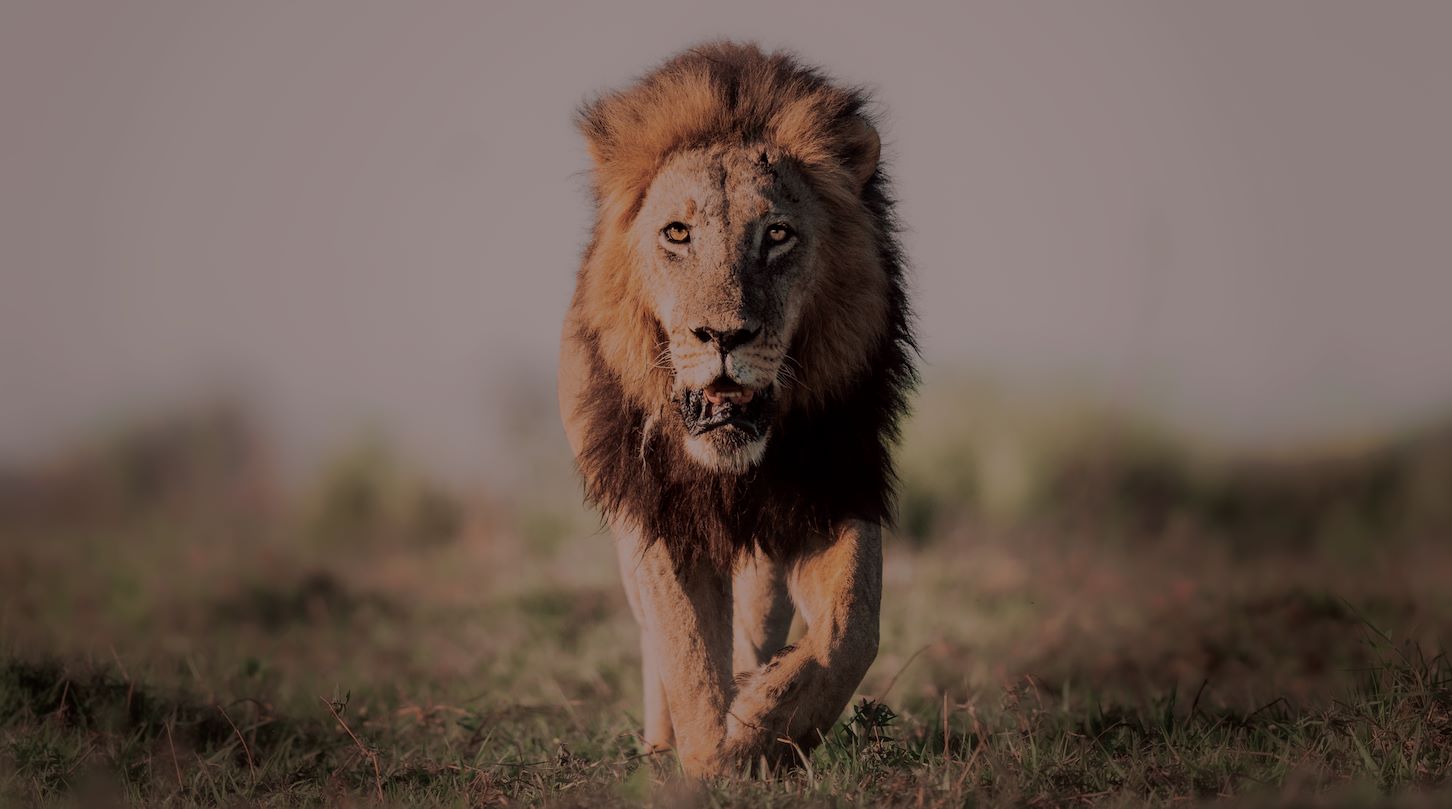
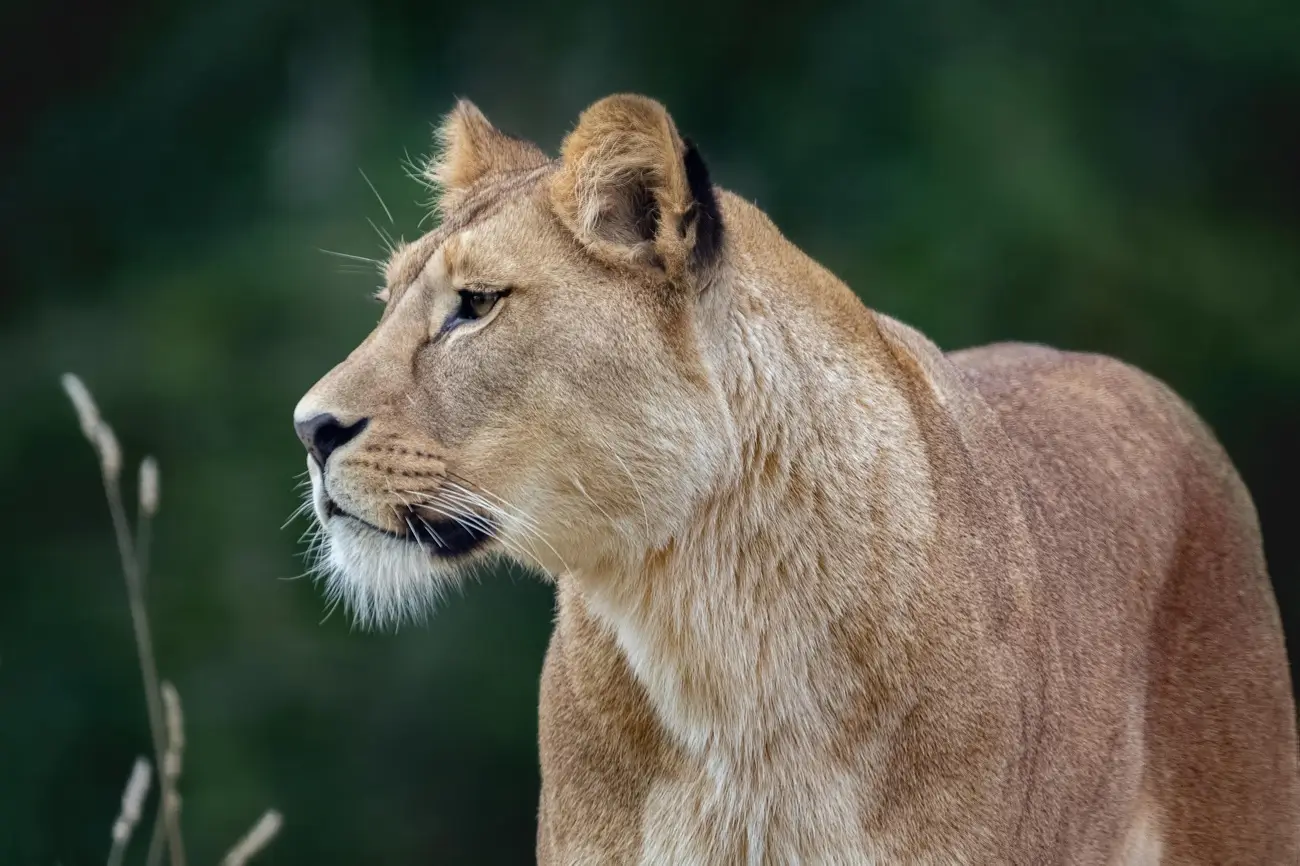
We organize safaris in Tanzania’s national parks and reserves, where African wildlife can be observed in its natural habitat. Lions, leopards, elephants, giraffes, antelopes, and other savanna wildlife can often be seen just a few meters away.

By evening, your safari guide will take you to a comfortable lodge, where you can enjoy dinner and relax. The next day, the journey continues with new animals and breathtaking landscapes. Thanks to the cool morning temperatures, savanna animals are especially active at dawn, and sometimes you can spot adorable serval kittens right in the grass near the lodge. Tanzania’s wildlife famously inspired Walt Disney’s The Lion King.

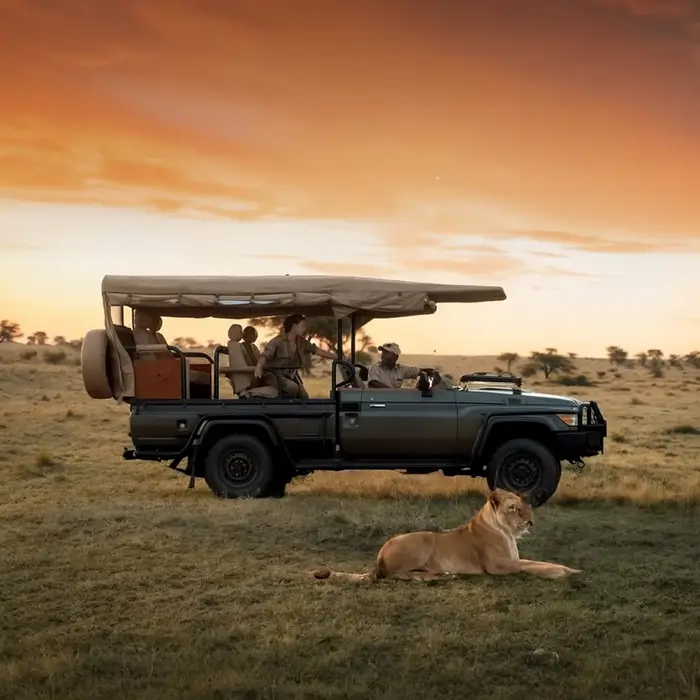
Time on safari is not limited to game drives in a 4×4 vehicle. Your vacation can be complemented with a hot-air balloon flight, visits to traditional tribes, or a guided walking safari. This is one of the few places on Earth that has remained almost unchanged for centuries.

Big 5 Safaris

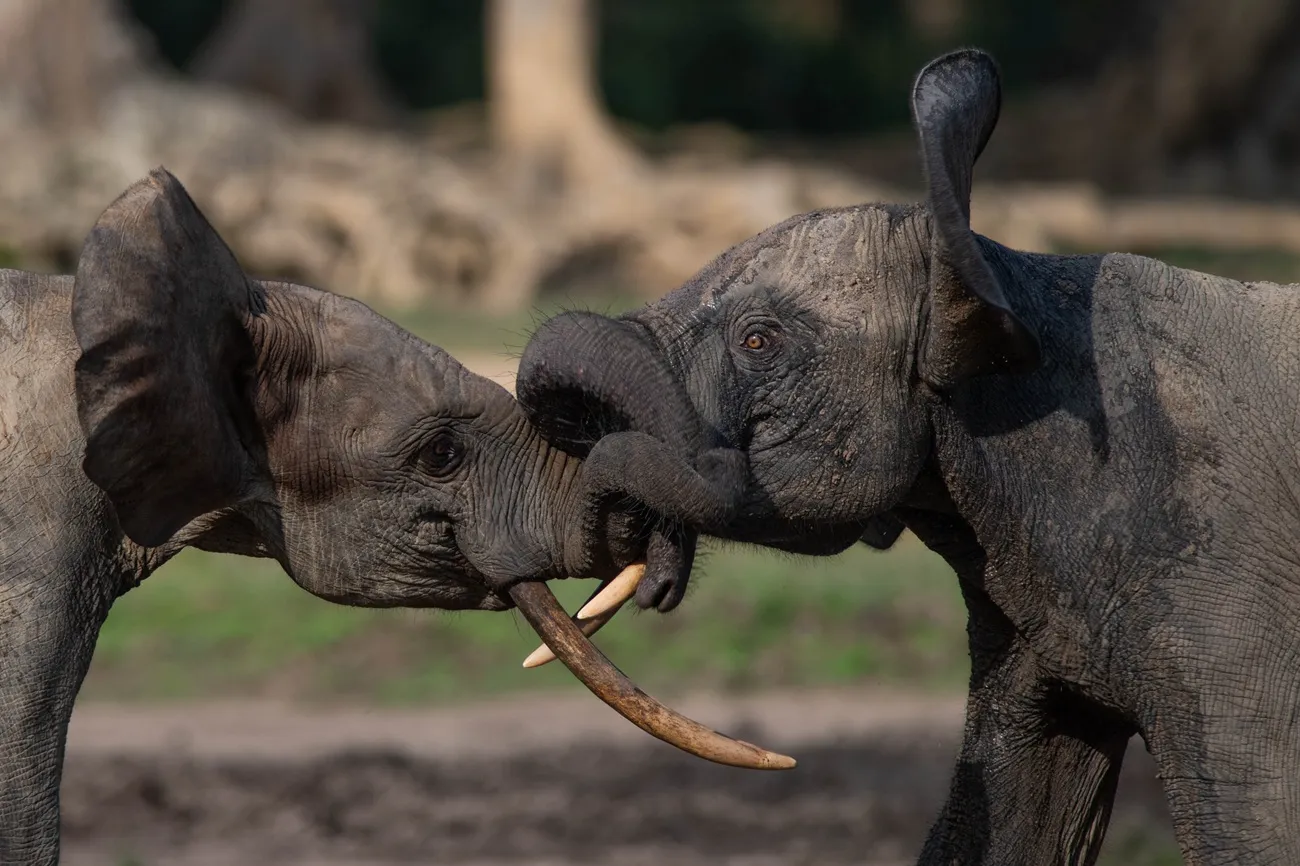
Elephants Paradise

Wild Journey

Walking Safaris

Quite Moments in the Jungle

We offer two types of safaris: private tours for couples, families, or groups of friends, and group safaris open to anyone. All expeditions are conducted in new Land Cruiser safari vehicles, with overnight stays at comfortable hotels set in scenic locations. Throughout the entire journey, travelers are accompanied by experienced safari guides.

When is the best time to go on safari in Tanzania?

Safaris in Tanzania’s national parks operate year-round, but each season has its own characteristics. For example, July is typically dry but also the busiest month, while November brings more rainfall and far fewer visitors. Keep this in mind when planning your trip.

Jan
Feb
Mar
Apr
May
Jun
Jul
Aug
Sep
Oct
Nov
Dec
Dry season
Shoulder season
Rainy season
January
Mid-summer in Tanzania
  • The rainy season usually ends in January. Hot, mostly clear weather sets in, though occasional showers are still possible.
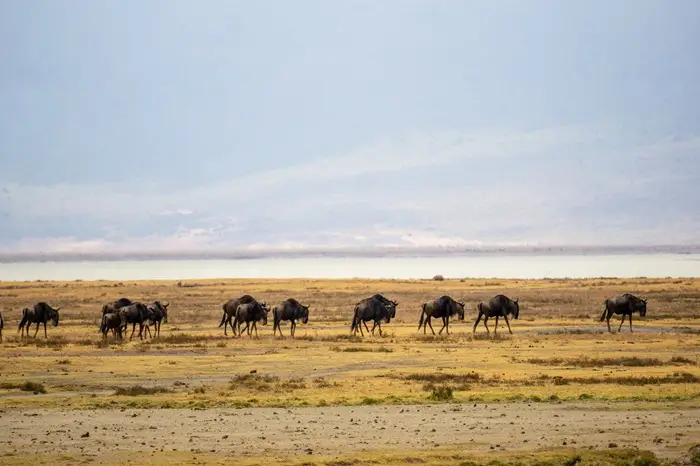
  • The savanna is covered in fresh greenery, and elephants, giraffes, buffalo, lions, and many other animals can be seen throughout the parks. To witness the Great Migration, head to the southern Serengeti and the Ndutu region near the Ngorongoro border. This is where vast herds of wildebeest, zebras, and gazelles gather for the calving season.
Sunny, occasional rain
25°C
Average temperature
Wildebeest calving season
High season
February
Summer in Tanzania
  • February is the hottest month of the year. Although it is considered part of the dry season, brief rains may occur several times a week.
  • In the southern Serengeti, wildebeest and zebras continue their calving season. Calves born in January grow stronger and gradually join the herds of the Great Migration. In northern Tanzania’s national parks, lions, leopards, elephants, giraffes, and many other animals are also easy to spot.
Sunny, occasional rain
27°C
Average temperature
Wildebeest calving season
High season
March
Autumn begins in Tanzania
  • The first half of March is usually mostly sunny, but rains typically begin by mid-month. Grass grows quickly across the savanna, and new water sources appear, allowing animals to roam freely throughout the parks. Visitor numbers drop noticeably.
  • The Great Migration continues its annual cycle. By the end of the month, the first herds of wildebeest and zebras leave the southern plains and move deeper into the Serengeti. Predator sightings are at their peak.
Afternoon rains
25°C
Average temperature
Predator viewing
Shoulder season
April
Autumn in Tanzania – lower safari prices
  • April marks the main rainy season, but showers usually fall after midday, when guests have already returned to the lodge. This is one of the most scenic times of the year: animals spread out across the plains, and hundreds of bird species can be seen almost everywhere.
  • For mammal viewing, we highly recommend Ngorongoro. This conservation area is known for having the highest concentration of animals in Africa. There are few travelers at this time, and lodges often offer attractive discounts.
Afternoon rains
23°C
Average temperature
Birdwatching
Low season
May
Autumn in Tanzania – lower safari prices
  • The rainy season continues, although rainfall gradually decreases toward the end of the month. The savanna remains lush and green, and animals can be seen throughout the national parks.
  • In the western Serengeti, large concentrations of grazing animals gather near the Grumeti River, home to many crocodiles. Massive herds of wildebeest and zebras move in, followed closely by predators. Visitor numbers remain low, and lodges continue to offer seasonal discounts.
Afternoon rains
22°C
Average temperature
Predator viewing
Low season
June
"Winter" arrives in Tanzania
  • Cooler, dry weather sets in, and animals gather around permanent water sources. By the end of the month, the grass is much shorter than during the rainy season, making lions, leopards, hyenas, and other mammals easier to spot even from a distance.
  • In western Serengeti, the Great Migration enters one of its most dramatic phases: the Grumeti River crossing. After reaching the opposite bank, thousands of wildebeest, zebras, and other grazers continue north toward the Mara River.
Sunny / Winter Appears
20°C
Average temperature
Predator viewing
Shoulder season
July
"Winter" in Tanzania
  • By mid-July, vegetation dries out, and the savanna shifts into its familiar yellow hues. Elephants, giraffes, hippos, buffalo, and other animals are easily spotted near water sources. Lions, leopards, and hyenas remain close, drawn by zebras and wildebeest coming to drink.
  • After crossing the Grumeti River, the herds continue north to the Mara River, where the most dramatic river crossings of the Great Migration take place.
Sunny / Peak Winter
20°C
Average temperature
Mara River migration
High season
August
The end of "winter" in Tanzania
  • August is one of the most popular months for safari. Weather conditions are excellent, and wildlife viewing is at its peak. The Great Migration is in the northern Serengeti. One of the most memorable ways to experience it is by taking a hot-air balloon ride at sunrise.
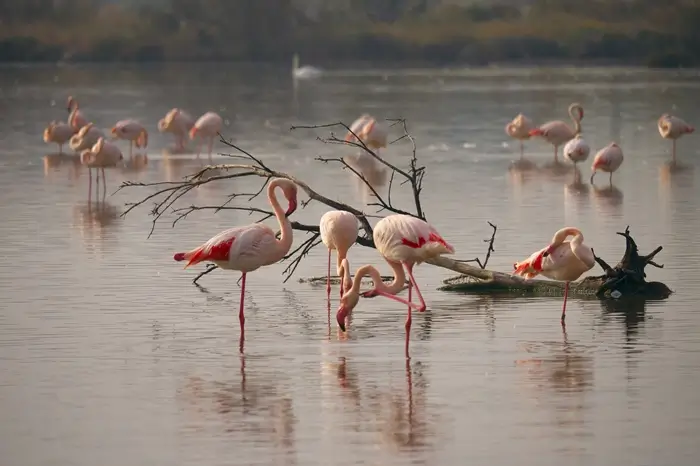
  • Tarangire National Park is also popular for its large elephant herds. At Lake Natron, the iconic flamingo nesting season begins. For a quieter experience, consider Ruaha or Nyerere National Parks.
Sunny
24°C
Average temperature
Grumeti River migration
High season
September
Spring begins in Tanzania
  • By early September, seasonal water sources dry up, and animals remain near permanent lakes and rivers. To see the Big Five, travelers head to Serengeti and Ngorongoro, where giraffes, zebras, hyenas, hippos, crocodiles, and many other species can be found.
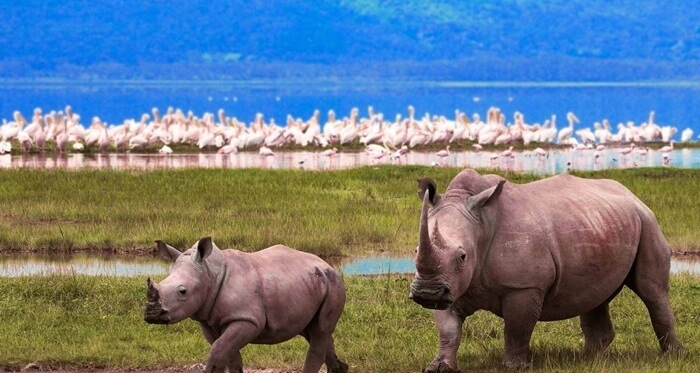
  • Mkomazi National Park is one of the few places where you can still enjoy solitude even in September. It also offers a unique chance to see black rhinos, one of Africa’s rarest animals.
Sunny
25°C
Average temperature
The Big Five
High season
October
Mid-spring in Tanzania
  • October is the last month before the short rainy season. Occasional showers are possible, but overall the weather remains warm and sunny. High concentrations of animals can still be seen across most parks, including Serengeti, Ngorongoro, and Tarangire.
  • At the foot of the Ol Doinyo Lengai volcano, Lake Natron becomes a nesting site for millions of pink flamingos. In October, the first chicks hatch, creating one of the most striking natural sights in Tanzania.
Sunny
26°C
Average temperature
Flamingo nesting
Shoulder season
November
End of spring in Tanzania – safari discounts
  • The short rainy season begins. Although rainfall is lighter than in April, the savanna transforms by mid-month, becoming lush and green with small pools of water. There are few travelers, and the low grass makes animals easier to spot from a distance.
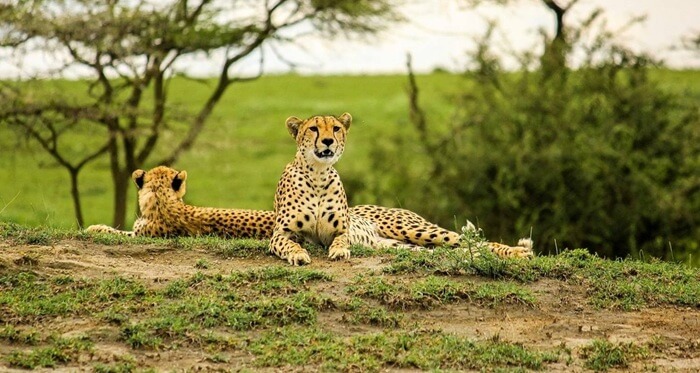
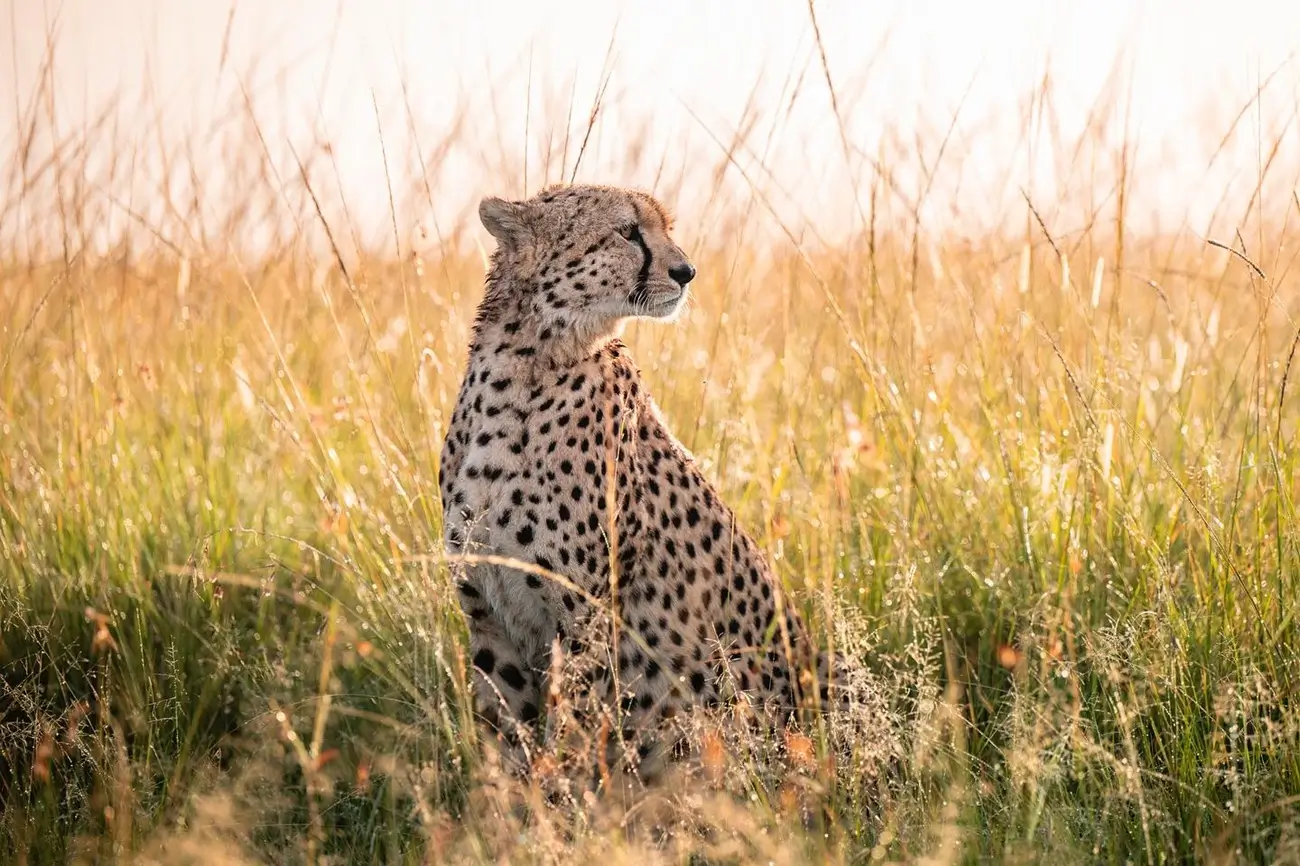
  • Migrating herds complete their annual cycle, returning east across Serengeti’s plains. This region is prime cheetah territory, offering excellent opportunities to see these elusive predators.
Afternoon rains
24°C
Average temperature
Big cats
Low season
December
Summer begins in Tanzania
  • The first half of December may bring rain and thunderstorms, followed by improving weather and a growing number of safari vehicles in the parks. This is especially noticeable after Christmas on December 25.
  • After the rains, plains turn green, rivers and lakes are full, and antelope, zebra, and gazelle herds gather near Ngorongoro in preparation for the next Great Migration cycle. Lions, elephants, giraffes, and other large mammals can be seen in nearly all safari parks.
Afternoon rains
26°C
Average temperature
Big cats
High season (Christmas)

Planning your dream vacation is easy

No time to search for a safari tour? Let us create a personalized itinerary based on your preferences. Get in touch, and we’ll suggest the best options for you.

Safari Itinerary That
Fits Your Style

✓ You dream, We make it Happen

What to pack: essential travel checklist

Here is a practical PDF with all detailed informations for traveling in Tanzania, covering what to pack before your safari for unforgettable memoris with Pure African Expeditions.

FREE PDF
Safari Packing List

Safari Packing List (PDF)

Your ultimate guide to Tanzania: Expert packing tips, lodge recommendations, safari rules, and essential travel advice for a seamless journey.

Get PDF
FAQs - Tanzania Safari
How many days does a safari take?

A Tanzania safari can range from short weekend escapes to multi-day adventures. Pure African Expeditions offers safari itineraries from as short as 2 days (visiting parks like Tarangire, Lake Manyara & Ngorongoro) to 7 days or more for deeper exploration of the Serengeti and other flagship wildlife areas. Longer stays allow for more relaxed game viewing and increased chances to spot diverse wildlife.

What is the best time to visit Tanzania?

The dry season from June to October is generally considered the best time for wildlife viewing as animals concentrate around water sources and vegetation is less dense, making sightings easier. This period also coincides with the famous Great Migration’s river crossings in northern Serengeti. However, Tanzania can be rewarding year-round — the green (wet) season from November to May brings lush landscapes, newborn wildlife, and abundant birdlife.

What is the Great Wildebeest Migration?

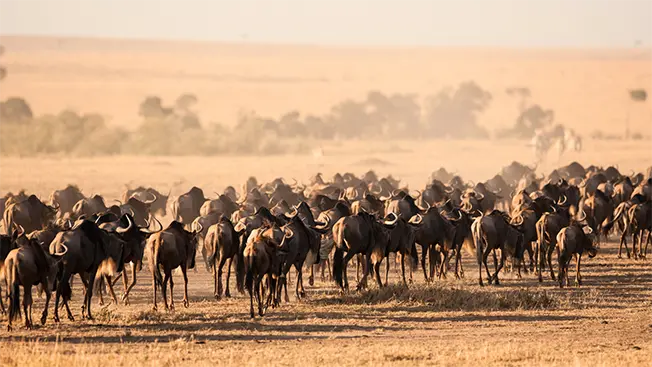
The Great Wildebeest Migration is one of the most spectacular wildlife phenomena on Earth. Each year, more than 1.5 million wildebeest, accompanied by zebras and gazelles, follow a continuous cycle across the Serengeti ecosystem in search of fresh grazing and water. This epic journey takes them through different regions and creates dramatic wildlife encounters.

What is the Great Wildebeest Migration?

The Great Wildebeest Migration is one of the most spectacular wildlife phenomena on Earth. Each year, more than 1.5 million wildebeest, accompanied by zebras and gazelles, follow a continuous cycle across the Serengeti ecosystem in search of fresh grazing and water. This epic journey takes them through different regions and creates dramatic wildlife encounters.

What is the best time to see the Great Wildebeest Migration?

The Migration moves throughout the year, but key stages include:

  • December to March — Calving season in the southern Serengeti with thousands of newborns and predator activity.

  • April to June — Herds spread across the central and western Serengeti.

  • July to October — Mara River crossings in the northern Serengeti are some of the most iconic wildlife moments of the year.
    Seeing the Migration often requires staying several nights in different Serengeti areas due to the movement of the herds.

What to wear on a safari in Tanzania?

Comfortable, practical clothing is key for safari game drives. Choose lightweight, breathable layers in neutral colours (like khaki, tan, olive) to blend with the bush and avoid attracting insects. Long-sleeved shirts and pants help with sun protection and mosquito bites. Also bring a wide-brimmed hat, sunglasses, sunscreen, and comfortable walking shoes or hiking boots — especially useful for any walking safaris or lodge exploration.

Is there internet coverage on a Tanzania safari?

Internet access in Tanzania’s safari areas varies. In major lodges and camps near towns or infrastructure, you may find Wi-Fi (sometimes limited or at an extra cost). However, in remote national parks and tented camps, connectivity is often limited or intermittent. Many safari travellers embrace this as part of the wilderness experience, but you can usually access mobile internet near Arusha, towns, and some lodges.

Book Your Trip

We are always here to help.

I Prefer
Thank you for reaching us out. We will get back to you shortly....